
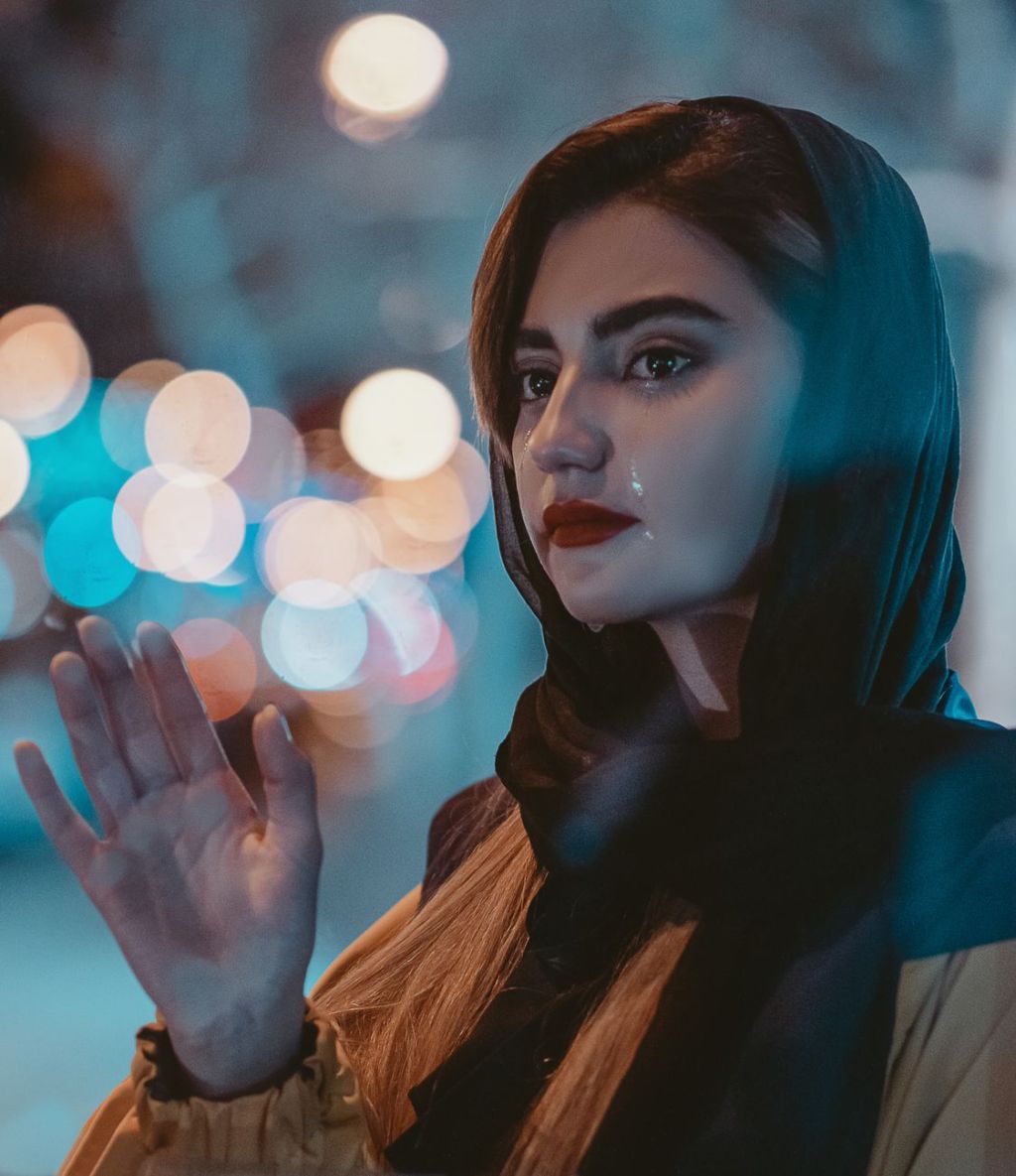
As I was scrolling through my social media feed, I came across a post that caught my attention. It was a beautifully edited photo of a young woman looking out of a rain-streaked window, accompanied by a caption romanticising her battle with depression and a quote stating:
“People who commit suicide are just angels who want to return home”
This made me think about why society often romanticizes mental health struggles. This trend has significant implications, and I am eager to explore why it happens and how it shapes our perception of mental illness.
The Allure of the Struggling Artist
We’ve all seen it: the tortured artist trope. From Van Gogh’s tumultuous life to Sylvia Plath’s harrowing poetry, there’s a long-standing association between creativity and mental illness. This narrative suggests that suffering breeds beauty, and that profound sadness or anxiety is a gateway to deeper artistic expression. Most famous artists today have a history or are currently battling some kind of mental illness and they are applauded for the creativity that was “birthed” from it.
But here’s the reality: while some great art has come from personal pain, the idea that one must suffer to create is a dangerous myth. It romanticizes mental illness, ignoring the very real, debilitating aspects of conditions like depression and anxiety. It suggests that there’s a nobility in suffering, which can discourage people from seeking the help they need.
Social Media and the Aesthetic of Sadness
Social media platforms like Instagram and TikTok play a significant role in the romanticisation of mental health issues. We live in an age where every moment is curated, filtered, and shared. The aesthetic of sadness has become a trend, with beautifully melancholic photos and quotes garnering thousands of likes. These platforms often present a sanitized version of mental illness—one that fits within a visually appealing grid.
I vividly recall someone sharing a carefully orchestrated picture during a challenging period in their life. The photo was impeccably composed, the lighting impeccable, and the caption hinted at their inner struggles. The response was overwhelming—words of encouragement flooded in, and the likes continued to climb. While I can appreciate the validation they received, upon reflection, it’s clear that the image didn’t truly convey the depth of their pain. It was a sanitized depiction of their suffering, tailored for public consumption. It’s important to consider that, despite the author’s genuine intentions, the portrayal of mental illness today can be misconstrued as inspirational and mistakenly glamorize the experience. This can lead people to believe that grappling with mental illness is trendy and desirable.
The Influence of Media and Entertainment
Movies, TV shows, and books also contribute to this romanticization. Characters with mental health issues are often portrayed as deeply insightful, complex, and even glamorous. Think of movies like “Silver Linings Playbook” or “Girl, Interrupted,” where mental illness is depicted with a mix of tragedy and charm. While these portrayals can increase awareness, they often fail to show the day-to-day realities of living with a mental health condition. No one really shows a person with depression struggling with taking care of the physical hygiene, unable to making their beds or living in a messy house.
These narratives can be misleading. They suggest that mental illness is always profound and meaningful, rather than acknowledging that it can also be mundane, exhausting, and isolating. For those of us who have lived and actually worked iwth people with these conditions, it can be frustrating to see our experiences reduced to plot devices or aesthetic choices.
The Real Impact of Romanticisation
Romanticizing mental health issues can have serious consequences. For one, it can trivialize the experiences of those who suffer. When depression is depicted as poetic or anxiety as quirky, it diminishes the severity of these conditions. This can make it harder for people to seek help, as they might feel their struggles aren’t “serious enough” compared to the dramatized versions they see in media.
Moreover, this romanticisation can create unrealistic expectations about recovery. If mental illness is portrayed as something that can be overcome with a few profound realisations or the right romantic relationship, it sets people up for disappointment. Recovery is often a long, difficult process that involves professional help, medication, and significant lifestyle changes.
Finding a Balance
So, how do we shift the narrative? How can we talk about mental illness in a way that’s honest and respectful without falling into the trap of romanticisation?
First, it’s essential to share authentic stories. As someone who has experienced mental health challenges, I’ve found that being honest about the ups and downs is crucial. It’s important to share not just the poetic moments, but the mundane and difficult ones too. This can help create a more balanced and accurate portrayal of what living with a mental health condition is really like.
Second, we need to promote the idea that seeking help is a sign of strength, not weakness. There’s nothing romantic about suffering in silence. Encouraging open conversations about therapy, medication, and other forms of support can help normalize these aspects of mental health care.
Lastly, media and entertainment have a responsibility to depict mental illness accurately. This means moving beyond stereotypes and showing the full spectrum of experiences. It means portraying characters who seek help, who have good days and bad days, and who are more than just their mental health condition.
Romanticising mental illness might make for compelling content, but it does a disservice to those living with these conditions. By striving for authenticity and promoting realistic depictions, we can foster a more compassionate and accurate understanding of mental health. For me, this journey has been about finding the balance between sharing my story and not falling into the trap of romanticisation. It’s about being real, being vulnerable, and ultimately, being human.
Please click on this link https://www.sadag.org to reach out for any assistance with your mental health issues.
Stay Blessed!


Leave a Reply